
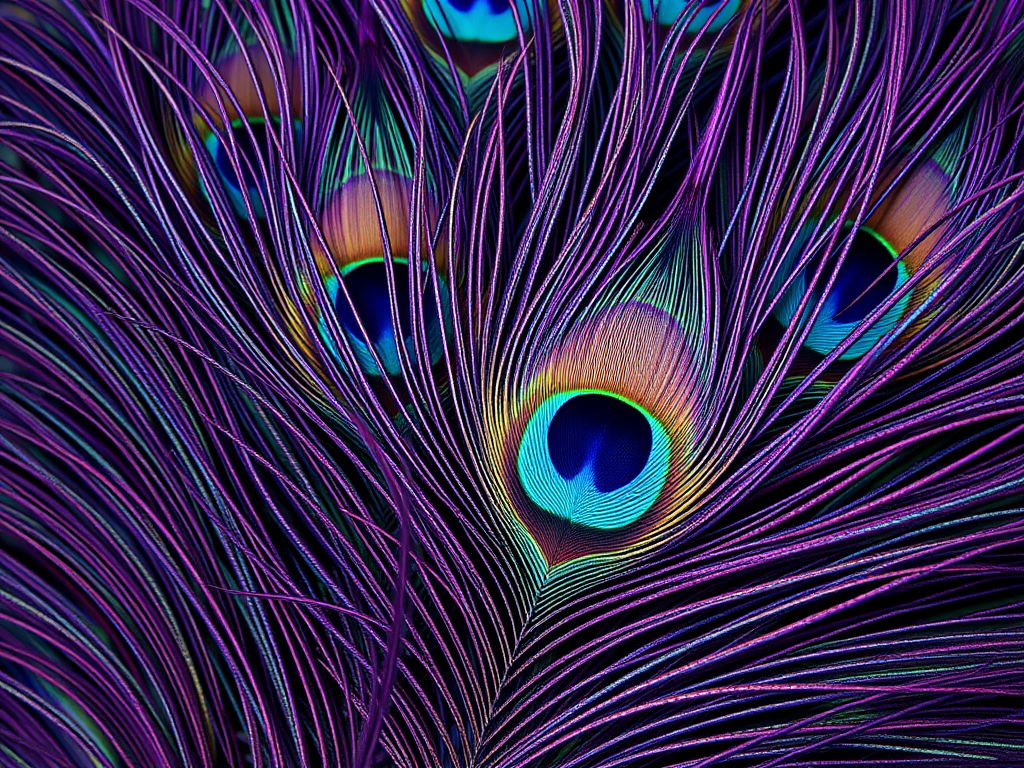
“To be yourself in a world that is constantly trying to make you something else is the greatest accomplishment.”
— J. Krishnamurti (Also attributed to Ralph Waldo Emerson)
We are living in an age where Seeming self-expression has never been easier, and yet, being true to ourselves has never felt more difficult. Social media offers an ever-present mirror—one we hold up to the world and ourselves, often through a filter, often without hesitation. We post, scroll, compare, react. And somewhere along the way, we begin to feel who we are may not be enough.
This quiet erosion of self-worth, amplified by curated perfection and unattainable standards, is taking a significant toll on our nations mental health.
The impact of this exposure takes a significant toll, especially on our youth who are still growing and developing. Research suggests that adolescents who spend more than 5 hours a day online are 70% more likely to experience suicidal thoughts and/or behaviors.
In addition, 60% of all regular users (users of all ages) report that social media negatively affects their self-esteem, 48% report disrupted sleep and increased anxiety, and of deep concern 50% of the most viewed mental health content on TikTok contains misinformation. This holds great potential to harm those who may already be struggling.
These numbers are concerning —they represent real people, many of them young, caught in the tension between the digital version of life and its quieter, less visible truths.
As I’ve been reflecting on the impact of access to comparison the fable “The Peacock and The Sparrow” came to mind. The fable follows.
“A Sparrow, small and modest, looked longingly at a Peacock parading its iridescent feathers through the clearing. “How lucky you are,” said the Sparrow. “Everyone admires you. You are so beautiful. I wish I could be like you.”
The Peacock, with a soft sigh, replied, “True, many admire my feathers, but I cannot fly. I live my life grounded, tied to appearances. You, little Sparrow, soar through the skies. You are free in ways I can never be.”
In our current climate, in truth, we can be both sparrow and Peacock. We admire, we long, we compare. And too often, we forget the value of our own wings—the quiet freedom of authenticity.
Social media platforms offer windows into other people’s lives, but what we see is rarely the full picture. We see weddings, not divorces. Smiles, not breakdowns. Milestones, not grief.
As a clinician, I work with adolescents, young adults, and caregivers who often feel diminished by what they witness online. A young woman compares her unfiltered self to airbrushed influencers. A teenage boy scrolls through images of athletic success while feeling isolated and unseen. A parent wonders if they’re doing enough after watching choreographed reels of “perfect” families.
We forget that most of what we see is a highlight reel—not a diary. Yet our minds, especially our youth, internalize what is seen as truth.
Chronic exposure to idealized images and social comparison can facilitate struggles with shame, sense of self, body dissatisfaction sleep distress, depression, anxiety and digital fatigue.
And perhaps most insidiously of all, it creates a feedback loop: the more inadequate we feel, the more we consume to fill the void—hoping to be inspired, only to walk away diminished.
To utilize the teachings of The Peacock and The Sparrow, we might find ways to stop chasing peacock feathers and return to the sparrows sky and valuing her innate gifts.
This doesn’t mean abandoning technology or social media altogether. These platforms can foster connection, amplify marginalized voices, and raise awareness. But they also require boundaries, critical thinking, and gentle self-inquiry.
Fostering critical thinking in our children and youth and utilizing it ourselves are wise ways to approach digital access and content. Questions to consider are :
- Is this image/post making me feel better or worse about myself?
- What do I know about this person beyond the photo?
- Am I curating or connecting?
- What would I say to a young person feeling the way I do?
Supporting discernment doesn’t mean complete absence but helping our youth (and selves) better navigate the world before us.
As Krishnamurti reminds us, being ourselves in a world that almost insists we become something else is no small feat.
To be one’s authentic self, means to hold space for the full range of experiences: joy and sorrow, progress and struggle, beauty and pain. Ideally not comparing your behind-the-scenes to someone else’s spotlight. They get to have theirs and you yours.
Overall, Life is not a performance. It is not measured in likes or shares. It is a sacred unfolding, worthy of grace, compassion, and truth.
In the end, the Sparrow doesn’t need more feathers. It only needs to remember it can fly.
As always, Thank you for reading. I welcome your thoughts and comments and look forward to connecting with you through your writing and mine.
Resources Follow
Photo: Pixabay
Copyright Protected Material: © 2020 LaDonna Remy MSW, LICSW. All rights reserved. Written content on this blog (Perspective on Trauma) is the property of the author LaDonna Remy, MSW, LICSW. Any unauthorized use or duplication without written permission of the author/ owner of this web log is prohibited. Excerpts or quotes may be shared in the event the author is fully cited with reference and direction to this blog.
Professional Disclaimer: It is important to recognize that all information contained in the Perspective on Trauma Blog is informational. It is not intended to provide advice, assessment, treatment, or diagnosis. Content is not intended as a substitute for clinical care. It is not possible to provide informed care through web content, or to engage in an informed treatment relationship within this format. If you or a loved one need support; it is important that you access this care from your own (specifically assigned) health care provider.
Agreement of Use: In consideration for your use of and access to the Perspective on Trauma Blog, you agree that LaDonna Remy MSW, LICSW is not liable to you for any action or non-action you may take in reliance upon information from the Perspective on Trauma blog. As noted, it is not possible to provide informed (personalized care) through blog content. In the event, support is needed it is your responsibility to seek care from your own health-care provider.
National Hotlines:
The National Domestic Violence Helpline: (1-800-799-SAFE 7233)
The National Domestic Violence Chatline. http://www.TheHotLine.org
Treatment Referral Helpline: (1-877-726-4727)
National Suicide Prevention Lifeline: (1-800-273-8255)
Counseling Resources:
ALMA: https://helloalma.com/
Better Help: https://www.betterhelp.com/
Psychology Today: https://www.psychologytoday.com/us
Talk Space: https://www.talkspace.com/
Resources:
Twenge, J. M., & Campbell, W. K. (2018). The associations between screen time and lower psychological well-being among children and adolescents: Evidence from a population-based study. Preventive Medicine Reports, 12, 271–283. https://doi.org/10.1016/j.pmedr.2018.10.003
U.S. Department of Health and Human Services, Office of the U.S. Surgeon General. (2023). Social Media and Youth Mental Health: The U.S. Surgeon General’s Advisory. https://www.hhs.gov/sites/default/files/sg-youth-mental-health-social-media-advisory.pdf_ 60% of users report social media negatively affects self-esteem:
Royal Society for Public Health. (2017). #StatusOfMind: Social media and young people’s mental health and wellbeing. https://www.rsph.org.uk/uploads/assets/uploaded/62be270a-0c58-489c-a2c3-7bcae8bba0c3.pdf_48% report disrupted sleep and increased anxiety:
Scott, H., Biello, S. M., & Woods, H. C. (2019). Social media use and adolescent sleep patterns: Cross-sectional findings from the UK Millennium Cohort Study. BMJ Open, 9(9), e031161. https://doi.org/10.1136/bmjopen-2019-031161_ 50% of top mental health TikToks contain misinformation:
Leighton, A., & DeShazo, J. (2024, May 30). More than half of top 100 mental health TikToks contain misinformation, study finds. The Guardian. https://www.theguardian.com/society/2024/may/31/more-than-half-of-top-100-mental-health-tiktoks-contain-misinformation-study-finds
 Perspective on Trauma
Another thoughtful post LaDonna! I was chatting with another caregiver yesterday about how we had wonderful childhoods without screens and social media and played all day outside. I miss those days.
Social media has its many benefits too but I wonder worry about my son who has yet to have his own account. Worry about things like mental health effects and even scarier things like incel cultures that target young vulnerable white males, such as my son.
Ironically, T and I started our own social media account recently. I’m treating it like a vaccine. Slowly introduce him to it in a very controlled and restricted way and to use it to teach things like privacy, online safety, predators, bullying and what not to focus value on, like the number of followers and subscribers. Hopefully some of these life lessons stick because it truly is like a wild Wild West out there with very scary outcomes!
LikeLiked by 2 people
Thank you, Ab. The approach you are taking with T is such an excellent way to help him navigate the wonderful opportunities available through social media and to teach him how to navigate its dangers safely.
It is a wonderful way to support his overall curiosity and safety.
LikeLiked by 1 person
Let’s hope so. 🙏
LikeLiked by 1 person
❤️
LikeLiked by 1 person
❤️
LikeLiked by 1 person
🩵
LikeLiked by 2 people
Thank you, Eterea.
LikeLike
Very insightful post, LaDonna. Critical thinking and discernment are indeed key to living a more authentic life and embracing our sacred unfolding. Much enjoyed!! Thank you for this great share. Lots of light and blessings your way 🙏✨💖
LikeLiked by 2 people
Thank you, Susana. ❤️I appreciate your thoughts and comments.
Have a wonderful Sunday.
LikeLiked by 1 person
Late to comment, but what a lovely uplifting post – may we all be proud to be sparrows! Linda x
LikeLiked by 1 person
Thank you, Linda Beautifully said.
LikeLiked by 1 person
🥰
LikeLiked by 1 person
Powerful truth and much needed wisdom in these times. Our worth isn’t found in filters or comparisons, but in Christ alone.
I praise You because I am fearfully and wonderfully made. – Psalm 139:14
May we teach our children and remind ourselves that we are already enough in God’s eyes.Stay grounded in His truth and fly like the sparrow. 🕊️
LikeLiked by 1 person
This is beautiful Willie. Thank you and may your day ahead be peace filled.
LikeLiked by 1 person
God Bless You, today and always..
LikeLiked by 1 person
LaDonna, your post offers profound wisdom—critical thinking truly guides us toward a more genuine life and spiritual growth.
LikeLiked by 1 person
Thank you, K. I appreciate your thoughts. We do need this more than ever.
LikeLike
Great post and I agree it’s important to be mindful of both our social media use and how we may internalize what is projected on social media. Appreciate you for spreading awareness about this and offering a nuanced and healthful way to engage with social media.
LikeLike
Thomas, thank you for your reflective and insightful comment.
LikeLike
‘the quiet erosion of self-worth’ is a phrase that has stuck with me —
LikeLiked by 1 person
I agree, John. It happens so quietly that we don’t recognize it until we feel its weight — Thank you for your reflective comment.
LikeLiked by 1 person